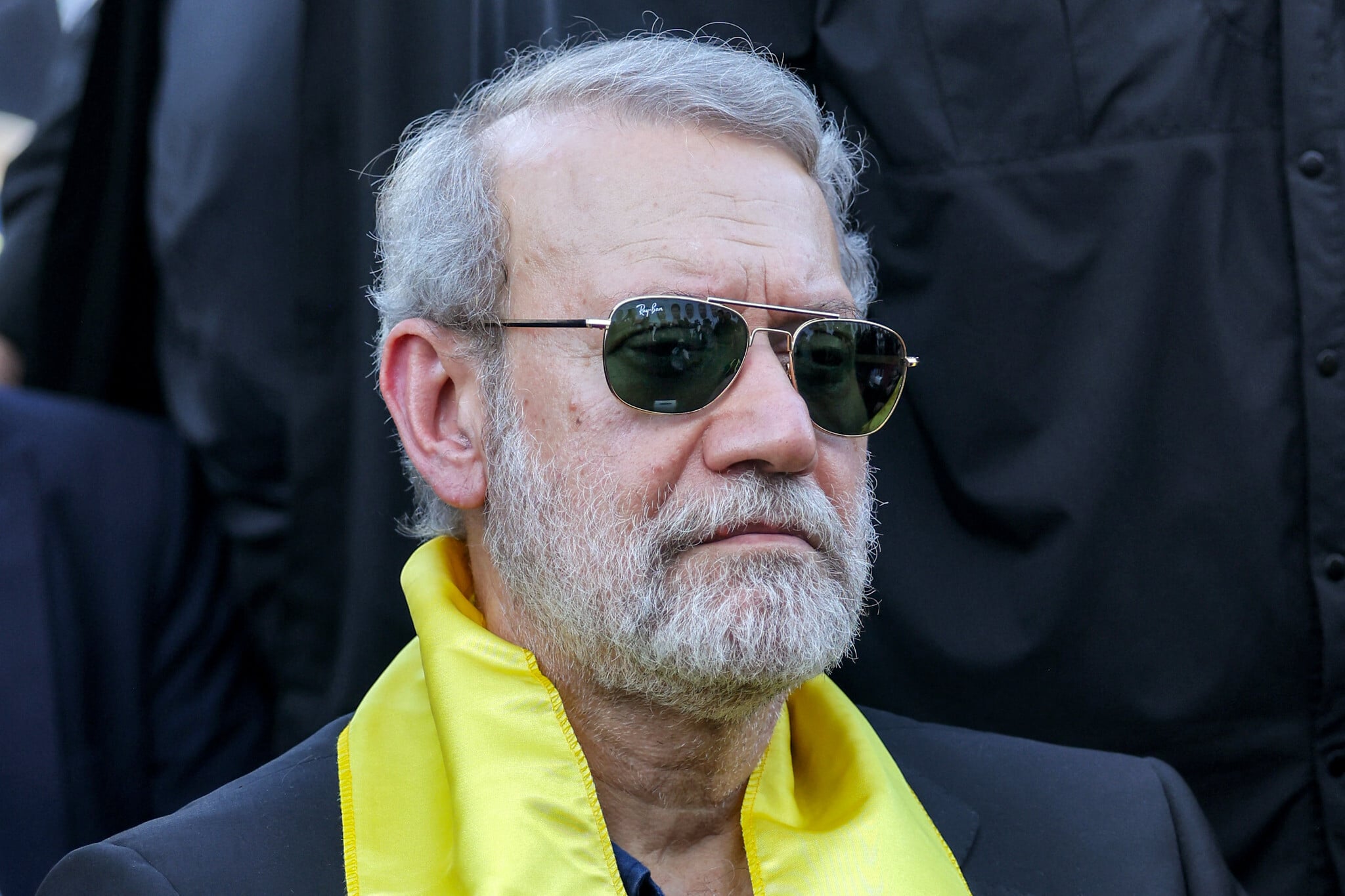
Ali Larijani: From Pragmatist to Hardliner in Post-Khamenei Iran
For decades, Ali Larijani stood as an almost anachronistic figure within Iran's often volatile political landscape – a calm, measured voice in a system frequently defined by fiery rhetoric. Known as a "pragmatic philosopher" who delved into the works of Immanuel Kant, Larijani was synonymous with a nuanced approach to diplomacy, particularly in sensitive nuclear negotiations with Western powers. Yet, in the wake of the devastating US-Israeli airstrikes that claimed the lives of Supreme Leader Ayatollah Ali Khamenei and IRGC Commander Mohammad Pakpour, Larijani's public persona underwent a dramatic and unsettling transformation. This shift raises critical questions about Iran's future trajectory and the potential for figures like Larijani to fill the void left by Khamenei, making him a central focus when considering a larijani nachfolger khamenei scenario.
Within just 24 hours of these seismic events, the 67-year-old Secretary of the Supreme National Security Council (SNSC) appeared on state television, his previous pragmatism replaced by a defiant and hardline stance. His words, echoed on social media, declared, "America and the Zionist regime (Israel) have set the heart of the Iranian nation ablaze. We will burn their hearts. We will make the Zionist criminals and the shameless Americans regret their actions." This sudden pivot from a reputation for calm diplomacy to a call for retribution signals a profound shift, not just for Larijani, but potentially for the entire Iranian political establishment as it grapples with an unprecedented leadership crisis.
The Architect of Pragmatism: Larijani's Enduring Legacy of Engagement
Before his recent ideological pivot, Ali Larijani's career was largely defined by his strategic, often conciliatory, approach to foreign policy. An undeniable establishment insider, hailing from one of Iran’s most prominent clerical families, he cultivated a reputation for being a loyal conservative who could also engage effectively with the outside world. His academic background, notably his writings on the 18th-century German philosopher Immanuel Kant, often lent an intellectual gravitas to his pragmatic outlook, suggesting a leader capable of deep thought and strategic patience.
Larijani's most prominent roles consistently placed him at the heart of Iran's diplomatic efforts. He had an earlier stint leading the SNSC two decades prior, a position that underscores his long-standing involvement in critical security and foreign policy decisions. During this time, and in subsequent roles, he was instrumental in steering complex nuclear negotiations with the West. His public statements often struck a remarkably conciliatory tone, even recently telling Oman state television, "In my view, this issue is resolvable. If the Americans’ concern is that Iran should not move toward acquiring a nuclear weapon, that can be addressed." This willingness to acknowledge and address international concerns, while safeguarding Iran's interests, was a hallmark of his approach.
His ability to navigate Iran’s often-fractious internal politics, maintaining pragmatic relations with rival factions, further solidified his image as a shrewd statesman. This historical capacity for compromise and strategic engagement makes his current hardline rhetoric even more striking, highlighting the profound impact of the recent geopolitical upheavals.
The Turning Point: Post-Khamenei Landscape and Fiery Rhetoric
The sudden, devastating loss of Supreme Leader Ayatollah Ali Khamenei and IRGC Commander Mohammad Pakpour in US-Israeli airstrikes served as the unequivocal catalyst for Ali Larijani’s dramatic ideological shift. The Israeli Defense Forces (IDF) further inflamed tensions by claiming to have killed 40 “key” Iranian military commanders, including Iran’s chief of staff Abdolrahim Mousavi, within minutes of the strike on Khamenei. This created a vacuum and a national mood of outrage that demanded a powerful, unified response from Iran's leadership. Larijani, seizing this moment, became the voice of that hardened resolve.
His public pronouncements, broadcast across state television and social media, diverged sharply from his previous moderate stance. No longer the calm philosopher, Larijani transformed into a forceful advocate for retaliation, directly accusing the US and Israel of trying to plunder and disintegrate Iran. He minced no words, warning "secessionist groups" of a harsh response should they attempt any action in the tumultuous aftermath. This dramatic shift highlights the immense pressure on Iranian leaders to project strength and unity in a time of profound national crisis. It also inherently positions Larijani as a formidable figure in any discussion regarding a Khamenei's Successor? Ali Larijani Steps into Iran's Power Vacuum, as he appears ready to lead with unwavering resolve.
This aggressive rhetoric is not merely symbolic; it sets a new tone for Iran's engagement with the world. The immediate implications include heightened regional tensions, a potential re-evaluation of Iran's diplomatic strategies, and an emboldened stance against perceived adversaries. For a deeper dive into the implications of this shift, consider exploring After Airstrikes: Ali Larijani's Fiery Rhetoric Reshapes Iran's Path.
Larijani's Resurgence: A Broader Portfolio and Strategic Positioning
Larijani's return to the leadership of the Supreme National Security Council (SNSC) last year, following a 12-day air war between Iran and Israel (joined by the US), marked his formal re-entry into the heart of Iran's security establishment. His appointment in August to the SNSC secretary role, a testament to his enduring influence and loyalty to Khamenei, underscored his critical position as a trusted strategist. This powerful council is the main body for security policy and decision-making in Iran, making its secretary one of the most influential positions in the country, especially in a time of leadership transition.
His recent activities before the airstrikes painted a picture of a leader managing an incredibly broad and sensitive portfolio. This included:
- Nuclear Negotiations: Despite being sanctioned by Washington for allegedly directing a deadly crackdown on anti-government protests, Larijani was still overseeing Iran’s efforts to reach a nuclear deal with the United States. His trip to Oman, a key mediator, to prepare for indirect talks with the US, highlights his pivotal role in even potentially de-escalatory efforts.
- Regional Ties: Actively managing Tehran’s complex relationships across the Middle East.
- Internal Unrest Suppression: He was at the forefront of efforts to crush anti-government protests, according to US government announcements detailing sanctions against him and other officials. This paradoxical role of engaging in diplomacy while also directing harsh internal security measures highlights the multifaceted nature of his power.
- International Alliances: Multiple trips to key ally Moscow in recent months to discuss a range of security ties further showcased his high-level diplomatic engagement.
This broad scope of responsibilities, ranging from sensitive nuclear diplomacy to internal security crackdowns, positions Larijani as an indispensable figure. His deep understanding of Iran's internal dynamics, coupled with his extensive experience in international relations, make him uniquely qualified to navigate the treacherous waters of a post-Khamenei era. Whether his hardline stance is a genuine ideological shift or a calculated strategic maneuver to consolidate power and address national sentiment, his influence on Iran's future trajectory is undeniable. The pragmatic philosopher has fully embraced the role of a formidable security chief, ready to steer Iran through its most challenging period in recent memory.
Conclusion
Ali Larijani's journey from an intellectual pragmatist to a vociferous hardliner in the immediate aftermath of Ayatollah Ali Khamenei's death represents a defining moment for Iran. His sudden, aggressive rhetoric, replacing decades of measured diplomacy, underscores the immense pressure and the radical shift in priorities within the Iranian establishment. As Secretary of the Supreme National Security Council, Larijani now wields significant power, overseeing a vast portfolio that includes critical nuclear negotiations, regional security, and internal stability.
This transformation is more than just a personal shift; it signals a potential hardening of Iran's stance on both domestic and international fronts. In a nation grappling with the immense void left by its Supreme Leader, Larijani's assertive posture positions him as a central figure, ready to guide Iran through an uncertain future. His extensive experience, deep roots in the establishment, and demonstrated ability to adapt his rhetoric to the prevailing political winds make him a formidable force in shaping post-Khamenei Iran. The world will be watching closely to see how this 'pragmatic philosopher' turned hardliner navigates the turbulent path ahead, and what it means for global stability.