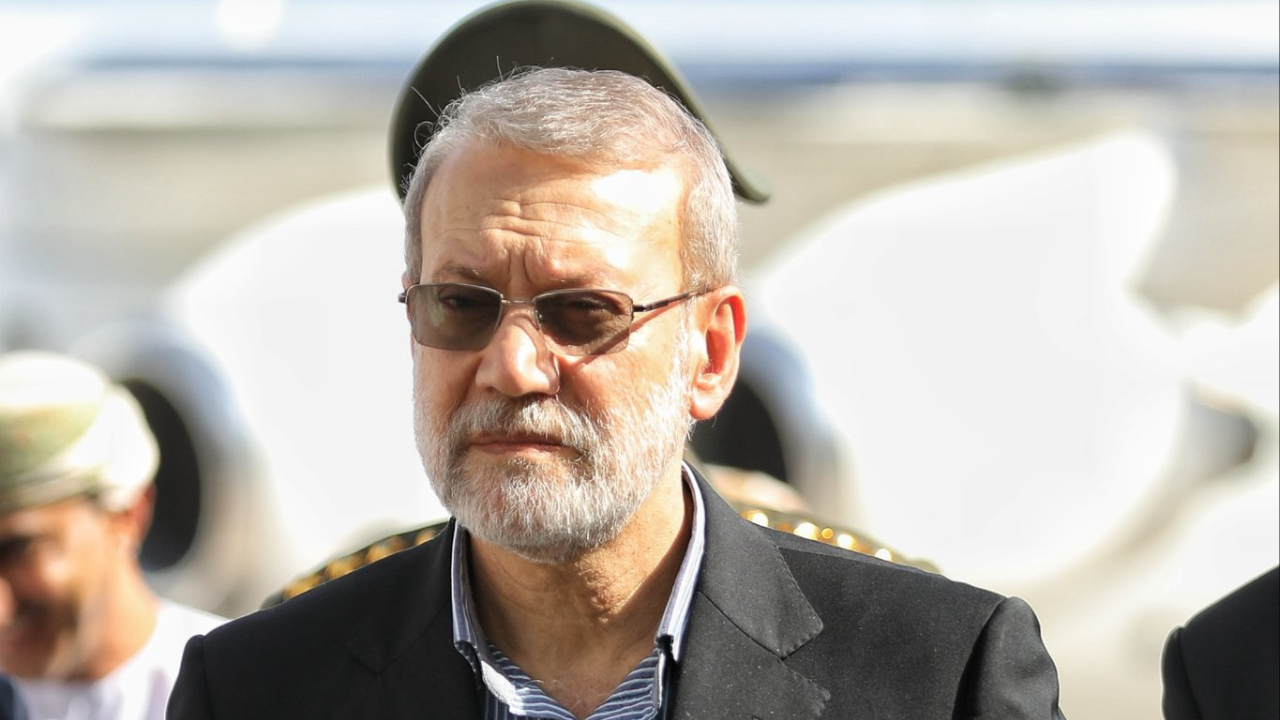
The political landscape of Iran has been irrevocably altered following a series of unprecedented US-Israeli airstrikes that culminated in the death of Supreme Leader Ayatollah Ali Khamenei and IRGC Commander Mohammad Pakpour. In the immediate aftermath of this seismic event, a figure once known for his calm pragmatism and intellectual demeanor, Ali Larijani, has emerged from the shadows with a rhetoric that is anything but conciliatory. His sudden and fiery public pronouncements have not only set a new, confrontational tone for the nation but have also positioned him as a central, arguably dominant, force in the void left by the Supreme Leader’s passing. This dramatic transformation marks a pivotal moment, signaling a potential reshaping of Iran's internal and external policies under the shadow of profound loss and a burning desire for retribution.
From Philosopher to Firebrand: The Catalyst for a Radical Shift
For decades, Ali Larijani cultivated a reputation as one of Iran's most measured and rational political figures. A conservative insider from a prominent clerical family, his intellectual pursuits were evident in his writings on 18th-century German philosopher Immanuel Kant. This academic grounding often seemed to inform his diplomatic approach, particularly during his tenure overseeing sensitive nuclear negotiations with Western powers. His strategic mind and ability to navigate complex international relations earned him respect, even from adversaries.
However, the events of March 1st shattered this image. Just 24 hours after the devastating US-Israeli airstrikes claimed the lives of Ayatollah Ali Khamenei and IRGC Commander Mohammad Pakpour, Larijani, then the 67-year-old Secretary of the Supreme National Security Council (SNSC), appeared on state television with a starkly different message. His measured tones were replaced by an impassioned denunciation of the "Zionist regime" and the "shameless Americans." On social media, his words were even more direct and chilling:
- "America and the Zionist regime (Israel) have set the heart of the Iranian nation ablaze."
- "We will burn their hearts. We will make the Zionist criminals and the shameless Americans regret their actions."
This dramatic shift was not merely a change in tone; it signaled a profound reorientation of his public persona and, implicitly, a hardened stance for Iran's future. It left observers questioning whether this transformation was a calculated strategic move to rally a grieving nation or a genuine reflection of personal anguish and a newfound resolve. Whatever the underlying motivation, Larijani has effectively transformed from a pragmatic diplomat into a vocal advocate for fierce retaliation, a shift that carries immense weight for a nation reeling from the loss of its paramount leader.
Navigating the Void: Larijani's Ascendancy and Broad Portfolio
In the wake of the Supreme Leader's death, Iran faces an unprecedented power vacuum, and Ali Larijani has decisively stepped into this breach. His role as Secretary of the Supreme National Security Council positions him at the very heart of Iran's security apparatus, a position he resumed last year after a previous stint two decades prior. This council is instrumental in shaping Iran's domestic and foreign policy, particularly concerning national security. Larijani's extensive career, marked by unwavering loyalty to Khamenei and a knack for navigating the often-rival factions within the Iranian establishment, has made him a trusted and formidable figure.
His current portfolio is remarkably broad, encompassing critical areas:
- Nuclear Negotiations: Despite previously overseeing efforts to reach a nuclear deal with the United States and stating that the issue was "resolvable" if American concerns about nuclear weapons were addressed, Larijani's recent rhetoric suggests a much tougher line. His involvement in indirect nuclear talks via Oman, even as Washington ramped up military forces, underscored his enduring influence in this crucial domain.
- Regional Ties: Larijani has been instrumental in managing Tehran's complex web of regional alliances and rivalries. His recent trips to key ally Moscow to discuss security ties further highlight his role in high-level diplomacy and strategic coordination.
- Internal Security and Unrest: Perhaps controversially, Larijani has also been at the forefront of efforts to suppress internal unrest. The US sanctioned him for allegedly directing a deadly crackdown on anti-government protests, accusations that his council role implicitly reinforces. This dual capacity—engaging in diplomacy while enforcing state power internally—showcases the complex and often contradictory nature of Iranian politics and Larijani's own multifaceted role within it.
Larijani's ability to juggle such diverse and critical responsibilities, even while facing international sanctions, speaks volumes about his influence and strategic importance within the Iranian system. He is not merely a political figure; he is a seasoned operator who has consistently demonstrated a capacity for both pragmatic engagement and resolute enforcement of state policy. For more insight into this complex transformation, consider Ali Larijani: From Pragmatist to Hardliner in Post-Khamenei Iran.
The Succession Question: Ali Larijani as Khamenei's Successor?
The death of Supreme Leader Ayatollah Ali Khamenei has plunged Iran into an unprecedented period of uncertainty regarding its future leadership. The question of who will emerge as the next Supreme Leader—the ultimate authority in Iran—is paramount. In this context, the sudden and dramatic re-emergence of Ali Larijani with a hardened stance cannot be overstated. He is undeniably a strong contender, and many are now asking: is Ali Larijani poised to become the Khamenei's successor?
Factors Supporting Larijani's Candidacy:
- Insider Status & Loyalty: Larijani is a quintessential establishment insider with a long history of loyalty to Khamenei and the revolutionary ideals. His clerical family background and deep understanding of the system are invaluable.
- Strategic Acumen: His extensive experience across nuclear negotiations, security, and diplomacy demonstrates a comprehensive grasp of Iran's strategic challenges and opportunities.
- Current Power Base: As Secretary of the SNSC, he commands significant authority over security and foreign policy, making him a central figure in any transitional phase.
- Adaptability: His demonstrated ability to shift from pragmatist to hardliner post-airstrikes might be perceived as a necessary adaptation to a new, more confrontational reality, appealing to hardline factions who prioritize strength and retaliation.
- Consensus Builder (Historically): While now a hardliner, his past reputation for pragmatism suggests an ability to work with various factions within the complex Iranian political landscape, a crucial skill for any Supreme Leader.
Challenges and Considerations:
- Hardline Opposition: While his recent rhetoric might appeal to some hardliners, others may view his past pragmatism with suspicion or prefer a figure with an unblemished hardline record.
- Internal Dissent: His role in suppressing internal protests could make him a polarizing figure among the populace, though a Supreme Leader is not popularly elected.
- The Guardianship Council: The selection process for a Supreme Leader is opaque, involving the Assembly of Experts, whose decisions are often influenced by the Guardianship Council. The internal dynamics of these bodies will be critical.
Larijani's post-airstrike rhetoric, though perhaps born of raw emotion, is also a politically astute move in a nation demanding strong leadership in crisis. It projects strength and an unwavering commitment to Iran's sovereignty and the memory of its fallen leaders, potentially positioning him as the resolute figure needed to guide the nation through turbulent waters. The question isn't just whether he *can* succeed Khamenei, but what kind of Iran would emerge under his potentially fiery leadership.
Implications for Iran and the World: A New Era of Confrontation?
Ali Larijani’s fiery rhetoric and ascendance into the post-Khamenei power vacuum carry profound implications, not only for Iran’s domestic trajectory but also for its interactions on the global stage. The immediate aftermath of the airstrikes has created an environment ripe for escalated tensions, and Larijani appears poised to capitalize on this.
Potential Shifts in Iranian Policy:
- Heightened Retaliation: Larijani's pronouncements ("We will burn their hearts") signal a strong likelihood of retaliatory actions against perceived enemies, particularly the US and Israel. This could manifest in various forms, from cyberattacks to support for regional proxies, increasing the risk of a wider conflict in the Middle East.
- Accelerated Nuclear Program: While Larijani previously entertained pragmatic nuclear talks, the current mood and leadership changes could see Iran accelerate its nuclear enrichment program, viewing it as a critical deterrent in a hostile environment.
- Sustained Internal Crackdown: Given his past role in suppressing dissent, it is plausible that Larijani’s influence would lead to a continued, if not intensified, crackdown on internal opposition, aiming to solidify state control amidst external threats.
- Strengthened Alliances: Iran is likely to lean more heavily on its strategic allies, such as Russia and China, as it seeks to counter Western pressure and potential isolation. Larijani’s recent visits to Moscow underscore this trend.
Practical Tip: Navigating the New Reality For international observers and policymakers, understanding this shift means moving beyond Larijani's historical "pragmatist" label. It's crucial to analyze his actions and statements in the context of the current crisis, recognizing that Iran's foreign policy may become less predictable and more prone to confrontational postures. Businesses with interests in the region should brace for increased instability and potential disruptions.
The transition from a Supreme Leader is always a delicate period for Iran, fraught with internal power struggles and external pressures. With Larijani’s dramatic transformation and central role, Iran's path appears to be tilting decisively towards a more confrontational stance, reshaping regional dynamics and challenging the international community to adapt to a potentially more aggressive Iranian posture.
The political drama unfolding in Tehran, catalyzed by the tragic airstrikes, has placed Ali Larijani at the epicenter of Iran's uncertain future. His metamorphosis from a thoughtful philosopher and pragmatic negotiator to a fervent advocate for retaliation marks a definitive turning point for a nation grappling with profound loss and a palpable desire for justice. As the Secretary of the Supreme National Security Council, he wields immense influence across security, diplomacy, and domestic policy, making him a pivotal figure in the post-Khamenei era. Whether he formally assumes the mantle of Supreme Leader or simply steers the nation from behind the scenes, his fiery rhetoric has undoubtedly set a new, unyielding tone. The world watches with bated breath, as Larijani's leadership, forged in the crucible of crisis, promises to redefine Iran's trajectory and its volatile relationship with the global community.